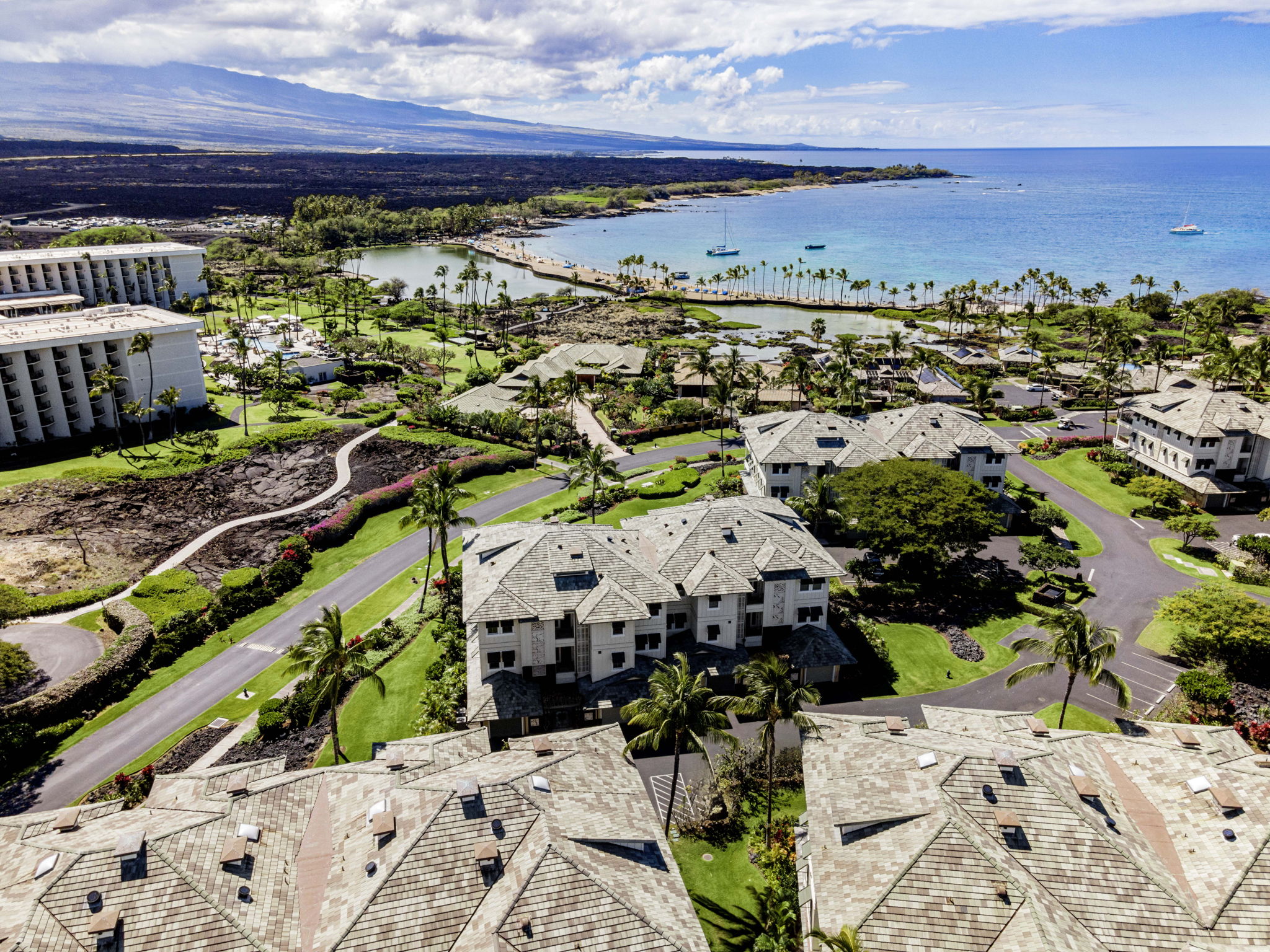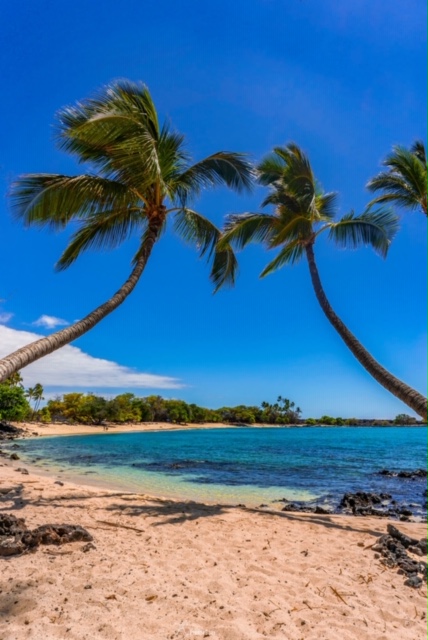

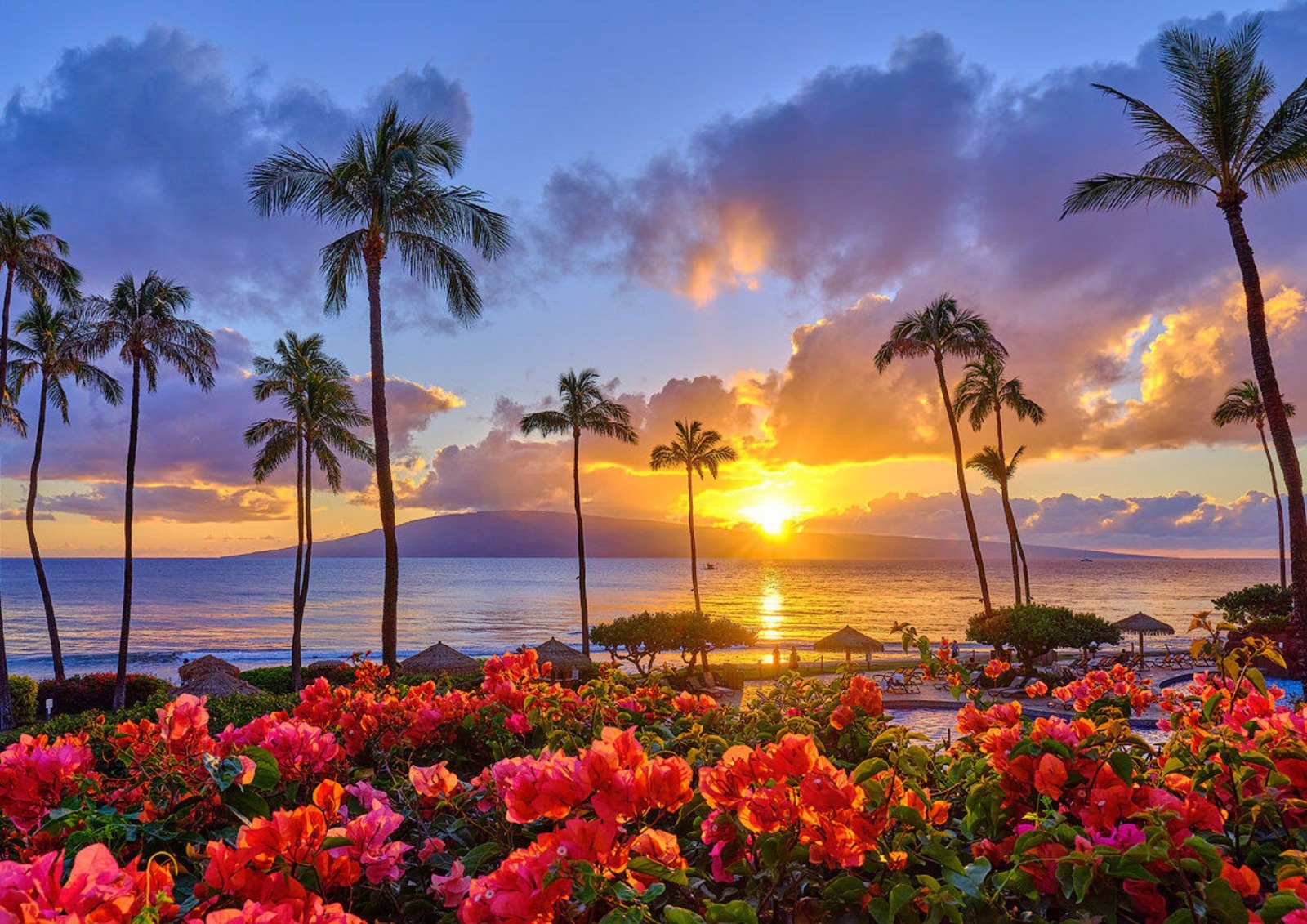
When travelers picture Hawaiʻi, they often imagine sandy beaches, clear blue water, and warm ocean breezes moving gently through palm trees. These images have long represented the islands in travel materials, and they are certainly part of what makes Hawaiʻi special. However, visitors arriving in Kailua-Kona quickly discover something even more remarkable. Beyond the beaches and sunshine, the Island of Hawaiʻi offers one of the most diverse collections of landscapes found anywhere in the world.
Many first-time visitors are surprised by how quickly the scenery changes across the island. Within a single day, travelers can move from dry lava fields to lush rainforests, from black sand beaches to misty mountain slopes. These dramatic contrasts are part of what makes this island unforgettable—and they are among the top reasons visitors choose Hawaiʻi Island in 2026. Instead of experiencing only one type of environment, travelers can explore many natural settings, each with its own beauty and character.
One of the first landscapes visitors notice is the wide stretch of lava fields that surround many parts of the Kona side. These dark, rocky areas remind travelers that the island was created by volcanoes over thousands of years. The ground may appear rough and empty at first glance, but a closer look reveals signs of life. Small plants grow in cracks between rocks, slowly turning hardened lava into soil. This gradual process shows how nature rebuilds itself step by step.
Travelers often find these lava landscapes fascinating because they look so different from places they have seen before. The shapes of the rocks appear frozen in motion, as if waves of lava suddenly stopped and turned to stone. Even those who normally do not have a love for geological sites, often become interested in learning how these formations came to be.
As travelers leave the dry lava areas and move east, towards wetter regions, the scenery begins to change quickly. The land becomes greener, and tall trees begin to appear along the roadside. Soon, visitors find themselves surrounded by rainforest environments filled with thick vegetation. These forests feel cooler and more refreshing than the coastal regions. The air carries the scent of damp soil and leaves, while the sounds of birds create a peaceful atmosphere.
Further along the coast, visitors may encounter rocky cliffs where lava once flowed into the ocean and hardened into dramatic shapes. Waves crash against these cliffs, sending sprays of water into the air. The sound of the ocean hitting the rocks creates a powerful rhythm that many travelers find both exciting and calming. These coastal views are especially beautiful during sunrise and sunset, when changing light adds color to the sky and sea.
Another highlight for visitors is the chance to experience black sand beaches. Unlike the golden beaches many people expect, these shores are formed from volcanic rock that has broken down into fine grains. The dark color of the sand creates a striking view, especially when white waves roll onto the shore. Walking along a black sand beach feels truly unique, offering a rare experience that few places in the world can provide.
Higher elevations offer yet another change in scenery. As visitors travel up mountain roads, temperatures cool and clouds gather around the slopes. Mist drifts across the land, creating soft and quiet surroundings. From these higher points, travelers can look out across wide areas of the island and see how different landscapes connect to one another. This view helps visitors understand just how varied the island truly is.
Many people choose to explore these landscapes through scenic drives. Driving allows travelers to see multiple environments without needing long hikes. Families, couples, and solo travelers alike enjoy stopping at viewpoints to take photographs and enjoy the scenery. Each stop reveals something new, making the journey itself an important part of the adventure.
The Island of Hawaiʻi is not simply a destination—it is a collection of natural wonders that invites curiosity and discovery. Whether visitors are walking across lava fields, standing beside a waterfall, or watching waves crash against rocky cliffs, they are experiencing landscapes that tell the story of how this island was formed. Each landscape offers its own beauty and memory waiting to be made.