

Short-Term Vacation Rentals in Hawai‘i: What You Need to Know
Today, I’m diving into one of the most frequently asked questions we get—by far the number one question we hear from clients:
“Tell me about short-term vacation rentals.”
Everyone wants to know the rules. Where can you do them? Where can’t you? How much money can you make? This post is meant to give you a foundational understanding of how short-term rentals work here in Hawai‘i—especially on the Big Island.
Two Sides of the Island: East vs. West
The first thing to understand is the difference between the east and west sides of the island.
East Side (Hilo): This side gets significantly more rain. Homes here are far more affordable—you might find something nice for $280,000 to $350,000. But it’s wetter and less tourist-oriented.
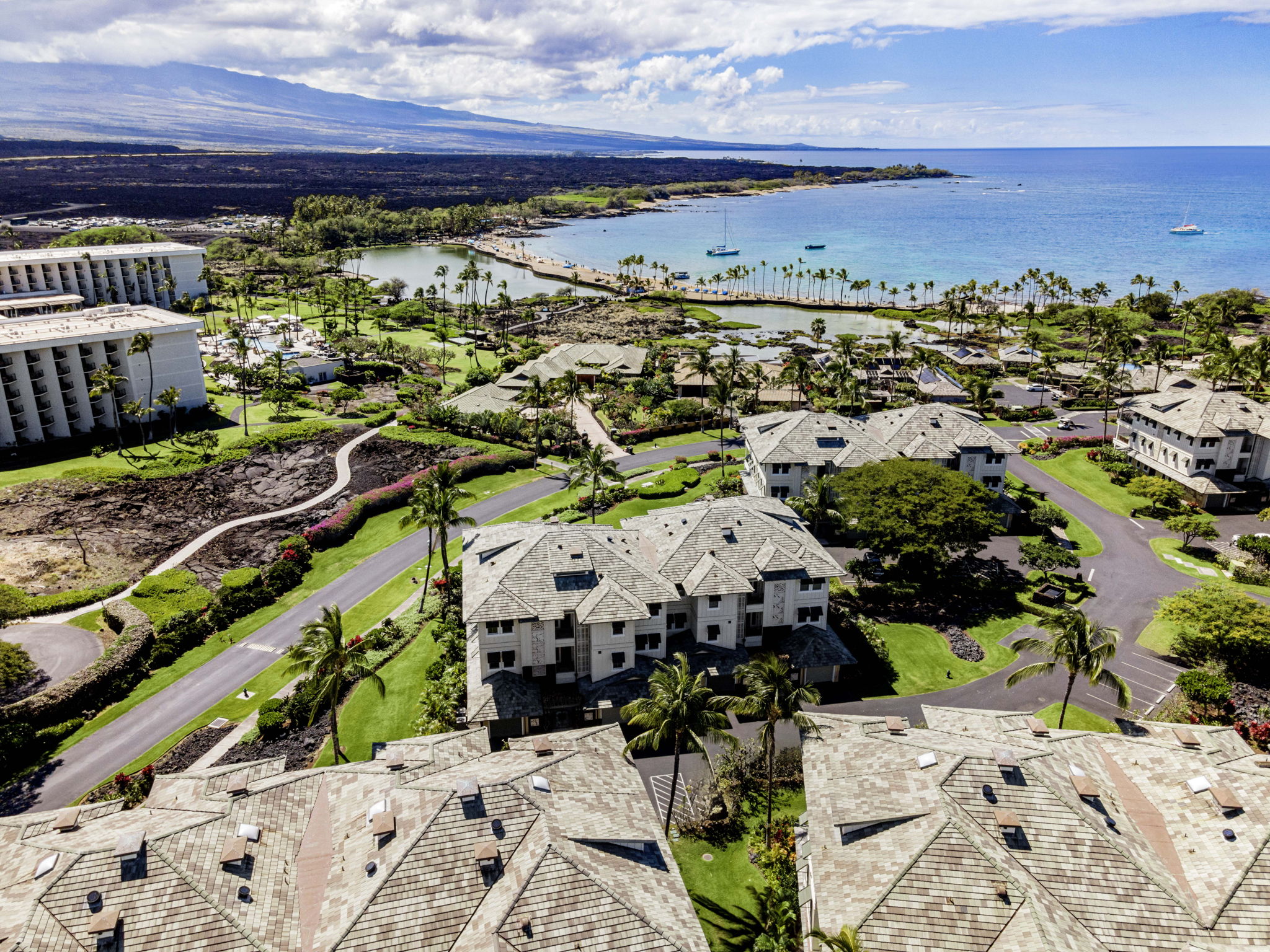
West Side (Kona): This is the dry side of the island, where most of the resorts are located. It’s where tourists want to vacation, but the property prices are much higher.
Not Every Property Qualifies for Short-Term Rentals
Many buyers see properties online and think, “This would be a great short-term rental.” But not every home is eligible.
It comes down to zoning and regulations. Let’s focus on the west side of the island for clarity. There’s an area known as the “vacation zone” (or “vacation node”), which runs up and down the Kona coast. In these designated areas, you can operate a short-term vacation rental. Outside of them? Not so much.
A Simple Rule of Thumb: If you’re looking at property on Ali‘i Drive in Kona:
- Ocean side of the street? You’re likely in the vacation zone and eligible for short-term rentals.
- Mountain side of the street? Even if you’re just across from the ocean—you can’t do short-term rentals.
The same logic applies in resort areas from Kohanaiki to Mauna Kea. Ocean side of Queen K Highway = likely allowed. Mountain side = likely not.
But Wait—It Gets More Complicated
Even if a property is in a county-approved vacation zone, local subdivision rules (CC&Rs) can override that. These covenants, conditions, and restrictions can prohibit short-term rentals, even in otherwise eligible areas.
So yes—it’s complex. And no, you’re not expected to figure it all out yourself. That’s exactly why we’re here. We know the zoning, the exceptions, and the nuances, and we’re ready to help you navigate them.
Expect to Pay a Premium
Properties eligible for short-term vacation rentals are more expensive—sometimes by $50,000 to several hundred thousand dollars—compared to properties that aren’t. The ability to generate rental income increases the value significantly.
It’s a trade-off:
Pay more for a property → higher nightly rates and higher occupancy
Pay less for a property → fewer rental opportunities and restrictions
The Hidden Gems: Grandfathered Permits
There are a handful of properties across the island that are not in the vacation zones, but do have a short-term rental permit. These are extremely rare and valuable because they were grandfathered in before current regulations took effect. Better yet, those permits are transferable to future owners. When these come on the market, they fetch a premium—and they’re what we call “gold.”
Which Islands Are Easiest for STRs?
If you’re looking for fewer restrictions, focus on:
- Big Island (Hawai‘i)
- Kaua‘i
These two islands currently have the most lenient rules for short-term vacation rentals.
In contrast, Maui and O‘ahu have some of the strictest regulations, making it much harder to successfully operate a short-term rental.
Final Thoughts
This post is a beginner’s guide to short-term vacation rentals in Hawai‘i, and there’s still so much more to know. If you’re serious about purchasing an STR property—or just exploring your options—we’re here to help.
Reach out anytime at TheHawaiiTeam.com or call us at 808-913-0899.
Aloha!
Video: https://youtu.be/4G-jc7RZ2fI