
Aloha, travelers!
There’s never really a bad time to visit the Big Island, but traveling during one of the island’s slower periods comes with some advantages that are easy to overlook. September, late October, and April through May are often quieter times to visit, making them worth considering if your travel dates are flexible.
Fewer crowds, potentially lower vacation rental rates, easier reservations, and more freedom to explore can make an already memorable Hawaiʻi vacation even more rewarding. You can enjoy many of the same beaches, trails, restaurants, and adventures while spending less time waiting and more time enjoying the island.
Make Your Vacation Budget Go Further
One of the biggest benefits of traveling during a slower period is value.
Accommodation rates can be more affordable outside of major holidays, school breaks, and other high-demand dates. Depending on availability and the length of your stay, you may also find opportunities to save on extended stays. That difference can really add up! Instead of putting most of your budget toward accommodations, you may have more to spend on snorkeling excursions, a sunset cruise, a memorable dinner, a guided adventure, or even an extra night or two.
Those extra nights can make a difference. The Big Island is enormous, with dramatically different landscapes from Kona to Hilo and from South Kona to North Kohala. More time means less rushing from one attraction to another.
Enjoy Quieter Beaches
The Big Island has some spectacular beaches, and visiting during a slower period can make them even more enjoyable.
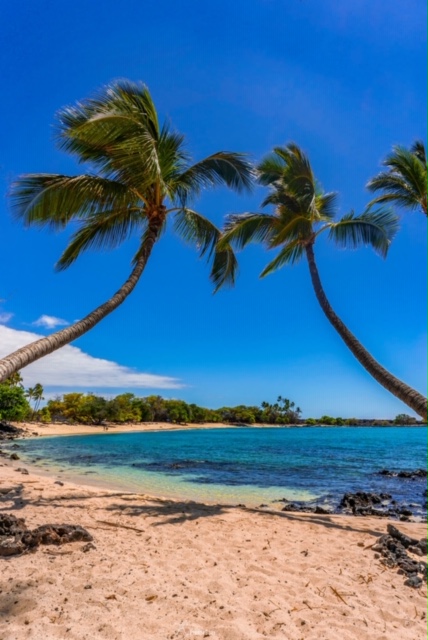
Popular spots such as Hāpuna Beach, Kua Bay, and Makalawena can feel considerably more relaxed when fewer visitors are competing for parking and space along the shoreline.
A quieter beach day gives you room to slow down, stay for sunset, spend another hour snorkeling, or pack a lunch and make an afternoon of it.
Explore the Hiking Trails
If you’d rather explore on foot, the Big Island offers an incredible variety of trails.
You can cross ancient lava fields, walk through lush rainforest, descend toward dramatic coastlines, or explore the volcanic landscapes around Hawaiʻi Volcanoes National Park.
Pololū Valley and the trails around Puʻuhonua o Hōnaunau offer completely different scenery and experiences.
Visiting when fewer people are on the trails can make these outings especially peaceful. You may find yourself with long stretches of quiet where you can take in the landscape at your own pace.
Look Beyond the Usual Tourist Stops
The Big Island rewards travelers who leave some room for discovery.
Spend an afternoon exploring Hawi and Kapaʻau in North Kohala, where you’ll find local shops, galleries, and restaurants. Visit Puʻukoholā Heiau National Historic Site to learn about Hawaiian history, or head toward Waimea and experience the island’s paniolo — Hawaiian cowboy — country.
You can also explore the Kona Coffee Belt by visiting a local farm and learning how coffee is grown, processed, and roasted.
When evening arrives, look up. Away from the brighter coastal areas, Hawaiʻi Island offers remarkable opportunities for stargazing when conditions are right.
These smaller experiences can make a trip feel personal rather than predictable.
Leave Room for Spontaneity
Peak travel periods often require careful planning. Popular restaurants fill up, tours reach capacity, and highly sought-after activities can have limited availability.
During quieter periods, you may have more flexibility to decide what you want to do once you’re here.
Maybe you planned a beach day but discover a hiking trail you’d rather explore. Perhaps someone recommends a restaurant you’ve never heard of. Or maybe you simply want to spend the afternoon driving the coast without a strict itinerary.
That flexibility is one of the underrated benefits of visiting during the off-peak season.
Stay Longer. Experience More.
An off-peak vacation isn’t simply about finding a cheaper place to stay. It’s about getting more from the money and time you invest in your trip.
Potentially lower accommodation rates can leave more room in your budget for experiences, while less congestion and fewer scheduling pressures can make the entire vacation more relaxed.
Plan Your Big Island Escape
If you’re flexible with your travel dates, consider visiting during September, late October, or April through May. You may find that traveling during these slower periods allows you to stay longer, spend smarter, and experience more. Explore the vacation homes available through Big Island Stays and find your home base for your next Hawaiʻi adventure.
Browse our vacation rentals and start planning your Big Island getaway at bigislandstays.com.
Your Hawaiʻi vacation doesn’t have to wait for the busy season.