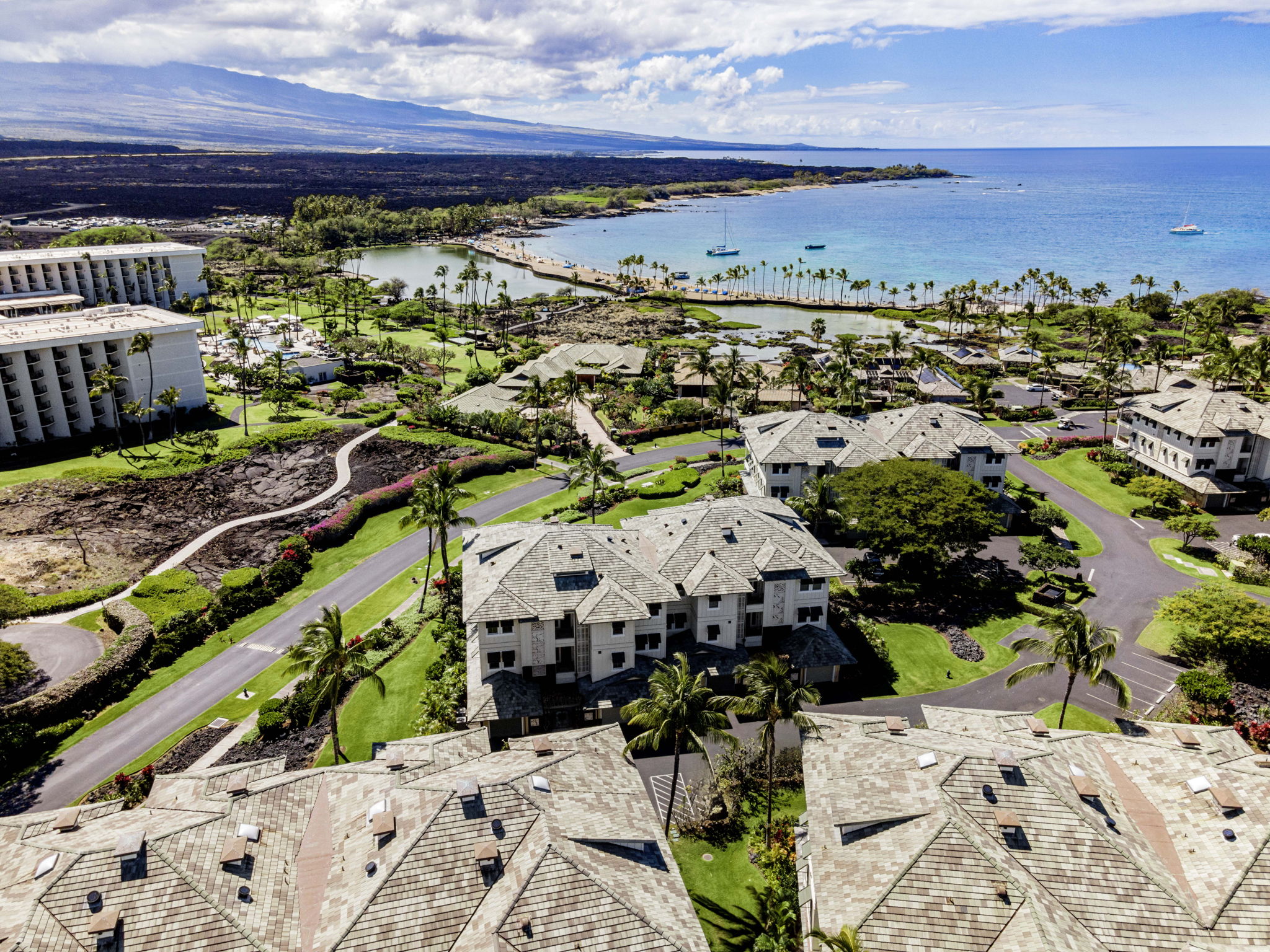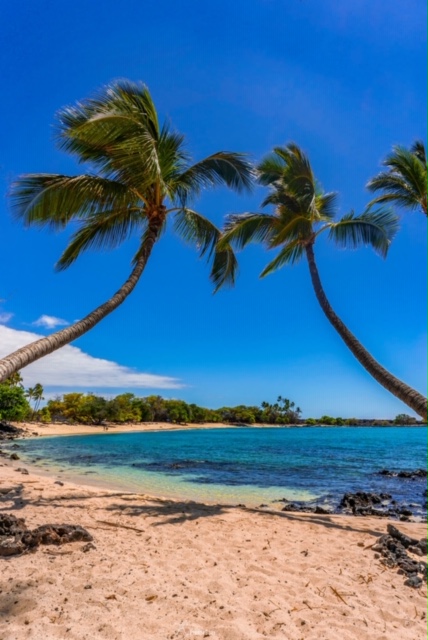

Summer on Hawai’i Island isn’t like summer anywhere else. There’s no “rainy season” to dodge, no off-season lull to hide from — just longer days, warmer water, and a steady stream of visitors chasing the same golden light you are. The good news? With a little local know-how, you can skip the crowds, dodge the worst of the sun, and actually relax into the slower rhythm this island is famous for. Here’s how to do summer right.
Beat the Heat & Crowds
The Big Island is deceptively large — bigger than all the other Hawaiian islands combined — which means “summer crowds” look different depending on where you stand. Kailua-Kona’s waterfront and the resorts along the Kohala Coast get busy by mid-morning, especially near popular snorkel spots and the main strip of Ali’i Drive.
The fix is simple: go early or go up.
- Early birds win. Hit the water, the trails, or the farmers markets before 9 a.m. The light is better for photos, the parking lots aren’t full, and the heat hasn’t set in yet.
- Gain some elevation. Waimea and Volcano sit hundreds to thousands of feet above the coast and run noticeably cooler — often 15-20 degrees — with a fraction of the foot traffic. A day trip inland is a genuine reset button when the coast feels crowded or muggy.
- Weekday over weekend. Cruise ship days and weekends bring the biggest swells of visitors to spots like Two Step or Hapuna. Shifting your plans a day or two can make a huge difference.
The Sun is Undefeated
Let’s be blunt: this is one of the sunniest, most UV-intense places you’ll ever stand. The island sits close to the equator, and that tropical sun reflects hard off sand, lava rock, and water — meaning you can burn fast even under clouds or while snorkeling.
A few non-negotiables:
- Reef-safe sunscreen only. Hawai’i state law restricts sunscreens with oxybenzone and octinoxate to protect the coral reefs, so pack (or buy locally) a mineral-based, reef-safe option — and reapply more than you think you need to.
- Cover up, don’t just lotion up. A UPF sun shirt, wide-brim hat, and sunglasses do more heavy lifting than sunscreen alone, especially for full-day snorkel or hike outings.
- Hydrate aggressively. The trade winds can mask how much you’re sweating. Carry more water than feels necessary, and add electrolytes if you’re hiking or spending hours in the water.
- Respect the midday window. Between roughly 10 a.m. and 3 p.m., seek shade, a shaded lava tube, a lunch spot, or a nap. Locals plan around the sun; visitors who fight it usually lose.
Dining & Reservations
Summer is peak season, and Big Island dining reflects it. Popular restaurants in Kona, Waikoloa, and along the Kohala Coast — especially anything with a sunset-facing lanai — fill up fast, sometimes weeks in advance.
- Book ahead, especially for sunset. Oceanfront dinner tables and luau seats are the hottest commodity on the island in summer. If a sunset view matters to your evening, reserve it before you land, not after.
- Luaus sell out. The island’s traditional luaus are a bucket-list experience for a reason, and summer dates go quickly. Lock in a date early and treat it as a planned event, not a spontaneous one.
- Have a backup for walk-ins. Farmers markets, food trucks, and casual plate-lunch spots rarely require reservations and are some of the best (and most authentic) eating on the island anyway.
- Ask locals, not just apps. Some of the best small kitchens on the island aren’t the top hits on review sites. A quick question to your host, driver, or tour guide often points you somewhere better.
Embrace “Island Time” & Geography
Google Maps will tell you a drive takes 45 minutes. Island time says otherwise — not because anyone’s being careless, but because the Big Island genuinely operates on its own logic. It’s the youngest and largest Hawaiian island, still actively growing from volcanic activity, and its geography changes dramatically as you move across it.
- One island, many climates. You can leave sunny, dry Kona, drive two hours, and arrive in misty, lush Hilo without ever feeling like you left the island. Pack layers, and check the forecast for your destination, not just where you’re staying.
- Distances deceive. Roads wind around lava fields, through microclimates, and up in elevation. Build in extra time for any drive longer than 30 minutes, especially if you’re headed toward Volcanoes National Park or Mauna Kea.
- Slow down on purpose. “Island time” isn’t a myth to work around — it’s the whole point. Leave gaps in your itinerary. Let a scenic pull-off or a roadside fruit stand derail your plan for twenty minutes. The best summer trips here have room to breathe.
A Few More Things Worth Knowing
Ocean conditions shift in summer. South-facing shores can pick up bigger surf from Southern Hemisphere swells, so check conditions before snorkeling spots you’ve heard are “calm” — calm isn’t guaranteed year-round. Always check posted beach flags and ask lifeguards when in doubt.
Pack for two climates in one bag. If Mauna Kea’s summit or a sunrise tour is on your list, remember it can be near freezing up there even when it’s 85°F at the beach. A warm layer takes up little space and saves the moment.
Travel with respect (mālama i ka ‘āina). Stick to marked trails, don’t touch or stand on coral, and be mindful that many sites carry deep cultural significance. Traveling with care isn’t just good etiquette — it’s what keeps this island special for the people who live here and the visitors who come after you.
Summer on the Big Island rewards a little planning with a lot of payoff: quieter mornings, better light, easier reservations, and the kind of slow, sun-soaked days this island does better than almost anywhere. Plan around the heat, respect the sun, book your table early, and let the geography set your pace — and you’ll get the island at its best.
Mahalo
– The Big Island Stays Team
Post Date: 07/17/2026